
After picking up his daughter from school, a father asked:
“Did you play any new games at school today?”
“Yes! We played Incel.”
“Huh? What did you say?”
“Incel. You have two teams: incels and chads. And they try to mog each other.”
“Err, okay. And what team are you on?”
“I’m not on either team. Girls aren’t allowed to play. We have to be stacies, and we decide who wins. But I don’t want to decide! What I do instead is I go to both teams, and I say, ‘Oh I like you the best’. And then when they fight I tell each person that they won, but don’t tell the other one because it’s a secret.”
“And what happens then?”
“Well, Theo said now we have to kiss! I said gross, no. And he got upset.”
“You don’t have to kiss anyone. And in fact you really shouldn’t, not until you’re older.”
“Obviously! That’s so obvious, dude. But Theo was wrong. Kissing is not even part of this game, because when I told Noah that he won, he didn’t want to kiss. He said he didn’t like kissing. And I said you have to do it because that’s the game! And he said no and ran away.”
“Uhh okay.”
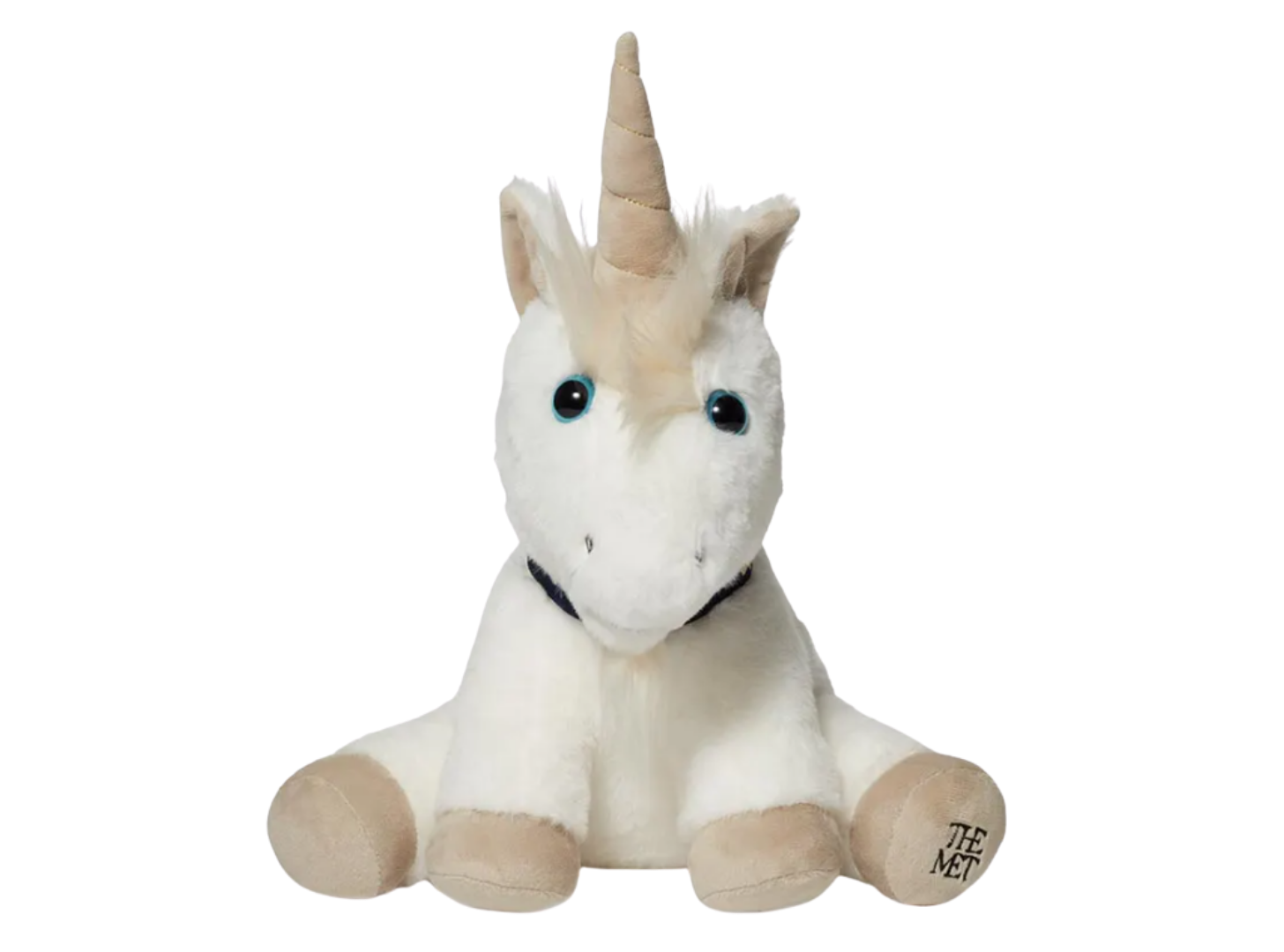
“So I kissed my unicorn stuffie instead. Because you can always kiss your stuffie. Like, even if nobody wants to kiss you, it’s so easy to just take your favorite stuffie and kiss it as much as you want!”
“That’s true.”
“Daddy?”
“Yes.”
“Grown-ups can still have stuffies, right?”
“I guess so.”
“That’s good! Because whenever you want a kiss, you can always kiss your stuffie, and they’re never allowed to say ‘No.’”
This is my first casual: a new format I’m trying out for Woman of Letters. It’s inspired by the early New Yorker ‘casuals’’. These are very short stories with a slightly-humorous bent. They’re meant to be frothy, not that serious. For a long time, whenever you began a story in The New Yorker, you wouldn’t know if it was a ‘serious’ fiction or just a short humorous piece like this, and I think the ambiguity kept it fresh and made people more likely to take a chance on the more-serious tales.
This piece was directly inspired by Alice Frankforter’s casuals, which are often about an aunt dealing with the fads and fancies of her two nephews. Frankforter is a complete unknown. She had almost a hundred of these ‘casuals’ in The New Yorker between 1928 and 1938, but she never published a book and has no wikipedia entry. I honestly thought for a while she might be the pseudonym for a more famous author, but then I found her in this geneological database. For a representative story by her, you could check out “K.K.K.”
like the revival of the old New Yorker form
Fun!